





 Level 2
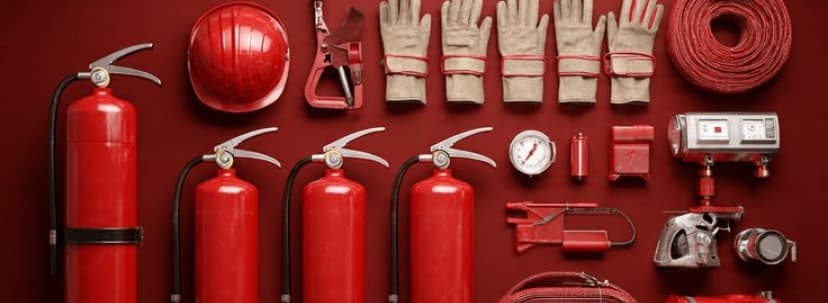
Fire Safety Training Bundle (UK)
Fire Awareness + Fire Warden Training
 2-3 hours
 1 language
 info@safetybugtraining.com
 01223 258 156
 126 High Street, Linton, Cambridge, Cambs. CB21 4JT
Workplace Safety Training
A free online Knife Safety course with practical guidance for anyone who uses knives or cutting tools at work.
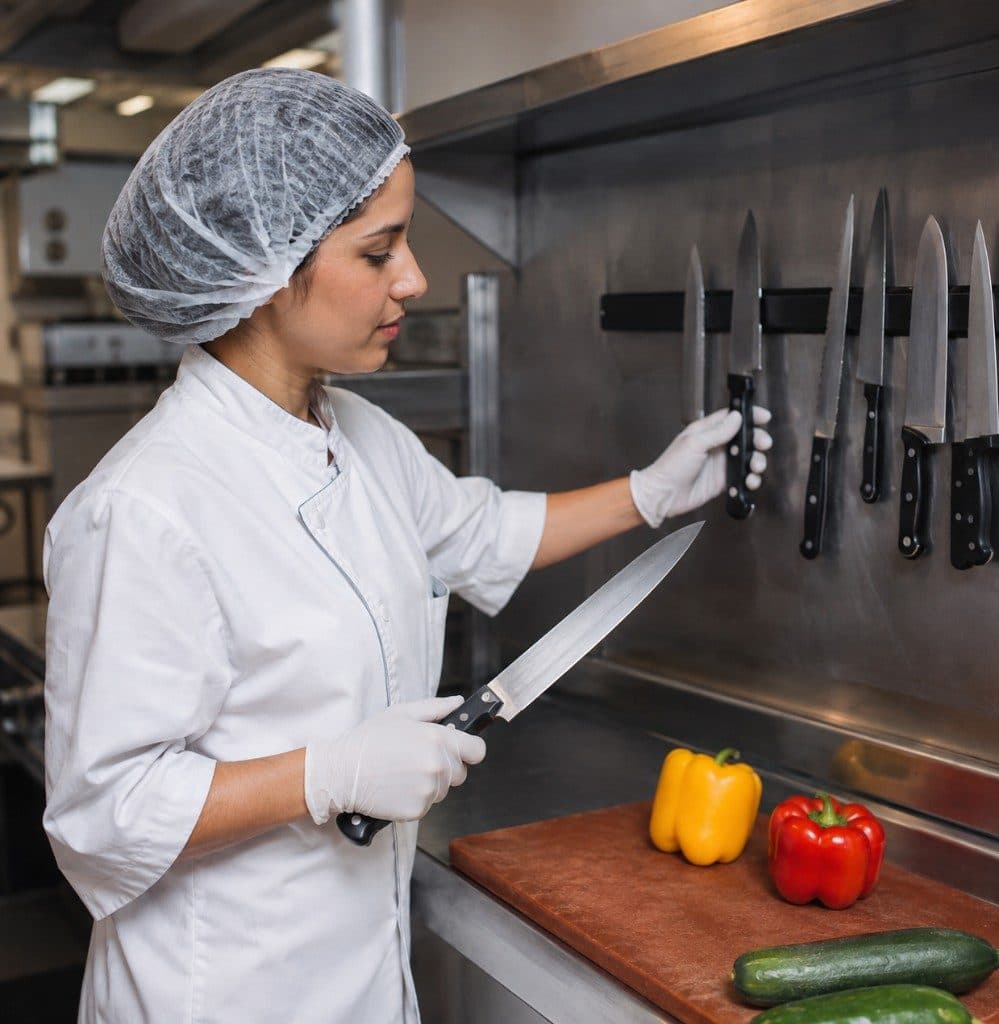
This free course gives practical guidance to anyone who uses knives or cutting tools in the workplace, particularly in food production, catering, hospitality and manufacturing. Knives are essential tools, but incorrect selection, poor handling, damaged equipment or an unsuitable working area can quickly lead to serious injury.
The training uses clear explanations, realistic workplace examples and practical visual scenarios. Learners see safe and unsafe practices, such as using the wrong knife, cutting on an unstable surface, trying to separate frozen products, working with damaged equipment or letting the cutting area become cluttered. The aim is not simply to tell learners the rules, but to help them understand why safe knife-handling procedures matter.
Knife safety depends on more than individual technique. Employers should also provide suitable equipment, safe systems of work, appropriate supervision, maintenance arrangements and protective equipment where necessary. Training helps employees recognise hazards, follow workplace procedures and report unsafe conditions before somebody is injured.
FREE ACCESS
Learn at your own pace and strengthen your understanding of safe knife selection, handling, maintenance, storage and incident reporting.
The Knife Safety course is completely free to take.
Simply create a free Safety Bug Training account to gain access and start learning.
There is no requirement to purchase the course before taking the training.

WHO THIS COURSE IS FOR
Suitable for employees who use knives or cutting tools as part of their work. It can be used for induction, refresher or ongoing workplace safety training.
What You'll Learn
The key principles of safe knife use, from choosing a knife to reporting an injury.
Choose the right knife or cutting tool for the job.
Inspect your knife and equipment before you start.
Spot knives that are damaged, defective or unsuitable.
Set up a safe, stable place to work.
Use chopping boards and surfaces that suit the task.
Learn how to hold and use a knife correctly.
Keep your free hand in a safe position while cutting.
Wear the right protective equipment for the task.
Use cut-resistant and chain-mail protection correctly where it is needed.
Recognise unsafe practices and tools that are not suitable for the job.
Clean and maintain your knives without putting yourself at risk.
Store and carry knives safely.
Know what to do if a knife is dropped, damaged or contaminated.
Respond properly to cuts and other knife injuries.
Report accidents, near misses and defective equipment.
See how reporting near misses helps prevent future injuries.
Human-translated with native-language voice-over for accuracy, clarity and understanding.
EXPLORE MORE COURSES
Level 2
Fire Awareness + Fire Warden Training
2-3 hours1 language
Level 2
Build your team’s knowledge of food safety and hygiene with Safety Bug Training.
2-3 hours42+ languages
Level 2
Introduction to (COSHH) Control of Substances Hazardous to Health
3-4 hours5+ languages